
(Please note that the schedule is in Barcelona time: UTC/GMT+02:00).
International Symposium
Hands Across the City: Musicians and Handedness in Urban Contexts
Date: 4th of June, 2026
Venue: Sala Tarot de Quinze, Facultat de Filosofia i Lletres, Universitat Autònoma de Barcelona
Registration: Attendance is FREE, whether in person or online. REGISTER HERE.
(Abstracts for each presentation can be found at the end of this schedule).
Schedule:
10:00
Welcome from the Organising Committee
10:15
Introduction to the Research Project Música y Ciudad: lugares, instituciones y encuentros desde la Revolución Industrial by Francesc Cortès (UAB)
10:45
Communication: Folk Songs for Inverted Guitar. Practice-based observations on playing guitar transcriptions ‘upside down’. Danica Hobden (HfMT Hamburg)
Moderator: Gabrielle Kaufman (UAB)
11:15
Communication ‘Left-handed’ instrumental play in Germany – from an artistic, educational and academic perspective. Laila Kirchner (Cologne University of Music and Dance)
Moderator: Gabrielle Kaufman (UAB)
11:45 Coffee Break
12:15
Communication Maybe YOU’RE Playing Backwards. Laterality, identity and the case for the idiodextrous brain. Greg Gottlieb (UAB)
Moderator: Silvia Martinez (UAB)
12:45
Communication: Flipping guitar. An essential analysis of historical and contemporary approaches to the classical guitar posture. Francesca Naibo (Siena Jazz University)
Moderator: Silvia Martinez (UAB)
13:15
Round table discussion (Francesca Naibo, Greg Gottlieb, Danica Hobden, Laila Kirchner + Lidia López Gómez) Navigating a right-hand-dominant profession: musicians share their experiences
Moderator: Lidia López Gómez
14:00
Lunch break
15:30
”All hands on deck”: Interactive, participative activities (try playing an instrument backwards!) + open jam session
17:00
Wrap up
Abstracts
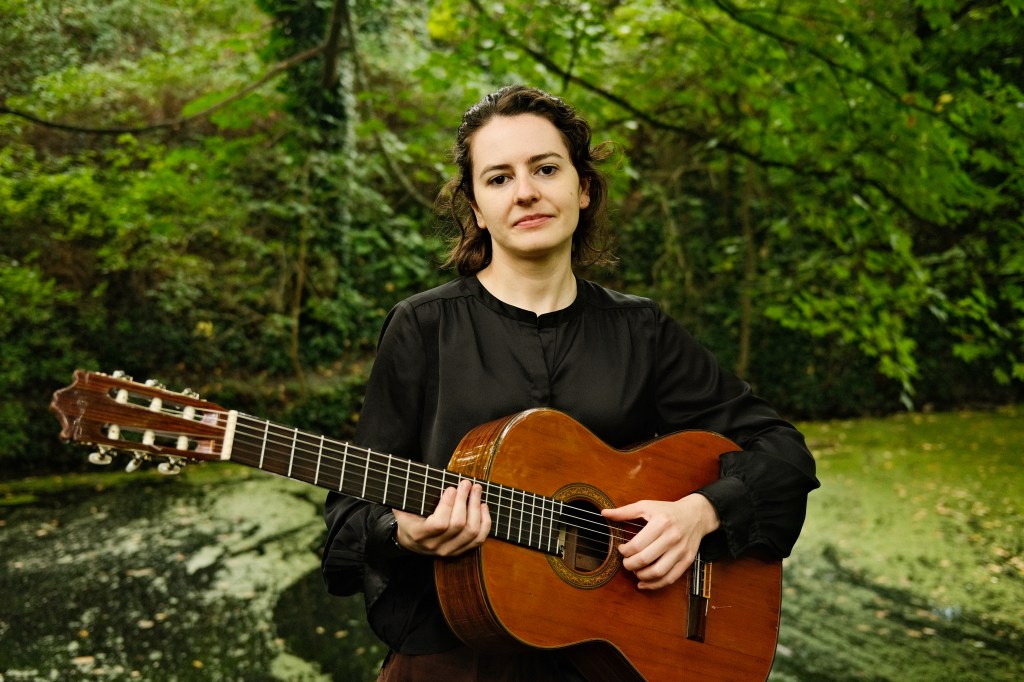
Hochschule für Musik und Theater, Hamburg (Germany)
Folk Songs for Inverted Guitar. Practice-based observations on playing guitar transcriptions ‘upside down’.
This presentation analyses the practices of notable left-handed guitarists throughout history and present day who have learnt and mastered the instrument inverted; that is, playing on a right-handed guitar without changing the string order. Based on my Master of Music research investigating this method of playing, I have compiled tools and resources which will provide a framework for inverted guitar repertoire.
The challenges of harmonic restraints, and navigating the uneven tuning system of the guitar will be analysed firstly from the perspective of the inverted guitarist, and secondly from the perspective of a left-handed guitarist seeking to translate prior knowledge and muscle memory to a right-handed guitar.
This presentation will also address social factors related to inverted guitar playing as well as technical aspects such as tuning, fingerpicking and mirroring to provide an insight into the challenges and creative solutions employed by guitarists such as Elizabeth Cotten and Ella Feingold.
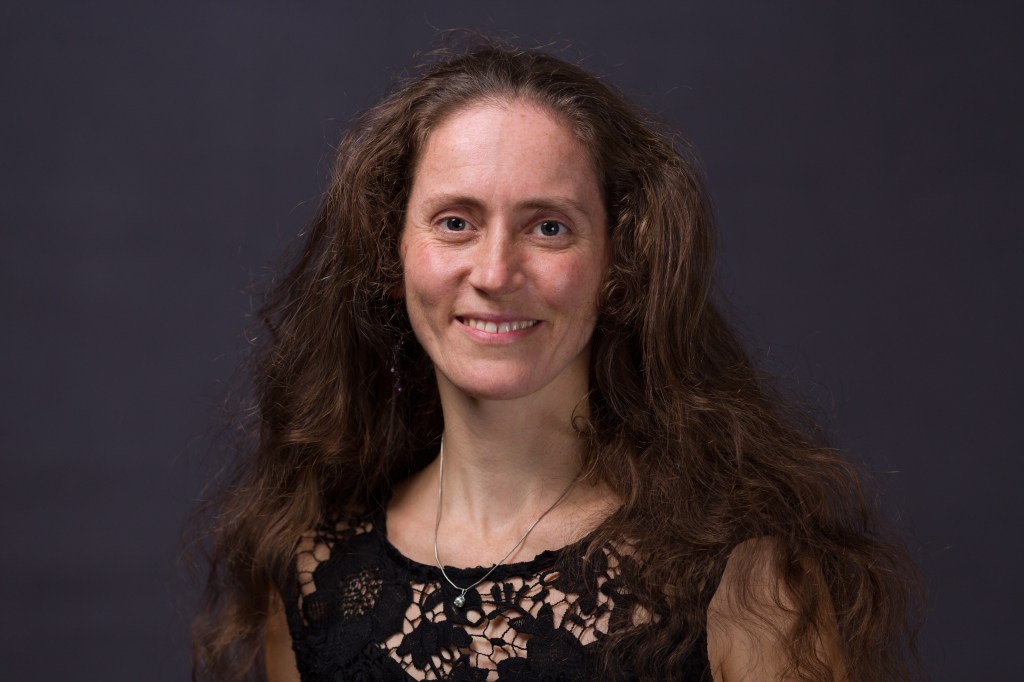
Cologne University of Music and Dance (Germany)
‘Left-handed’ instrumental play in Germany – from an artistic, educational and academic perspective.
Following the emancipation of the left hand in writing and sports, an increasing number of left-handers learn their musical instruments in the reverse way to right-handers. The speaker’s ability to perform and teach in both directions enables her to compare them and describe differences. Her survey among music schools in Germany has shown that the prevalence of teaching pupils left-handed varies depending on the instrument. Many teachers are open to the idea, but would like to gather more information. They should be prepared, through both initial training and further professional development. Instrument makers are responding to demand, as survey figures show.
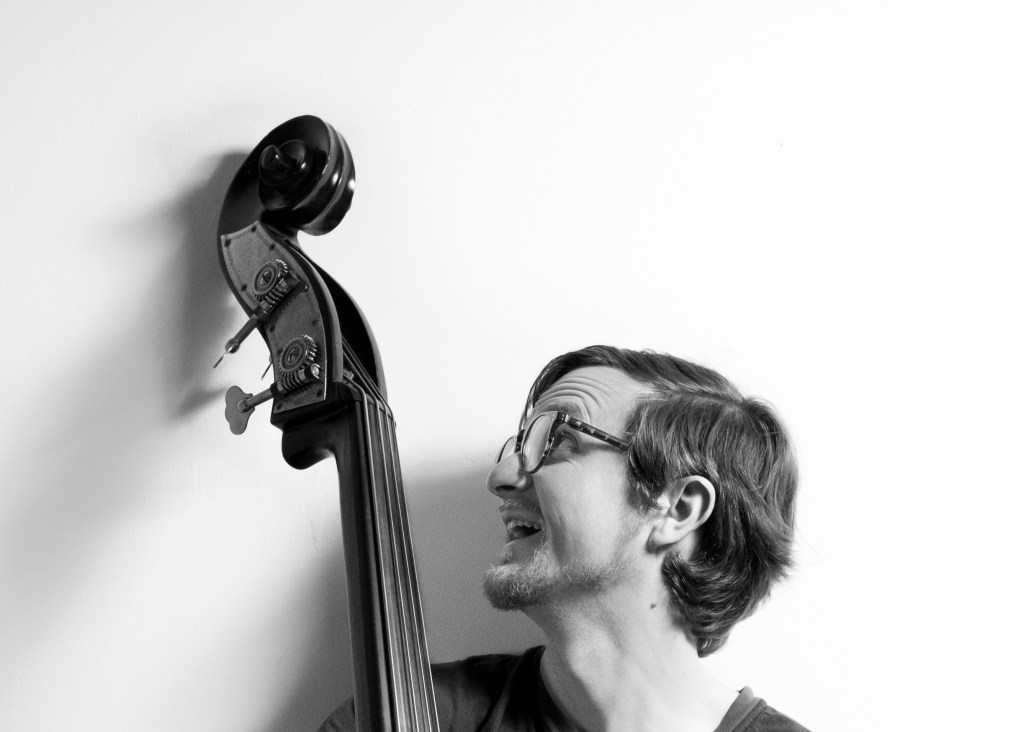
Universitat Autònoma de Barcelona
Maybe YOU’RE Playing Backwards. Laterality, identity and the case for the idiodextrous brain.
Idiodexterity is the uncommon phenomenon of musicians who play string instruments ‘upside down’ and ‘backwards’. This reverses the conventional pitch order of the strings in relation to the body, which raises interesting questions about orthodoxy and whether an idiodextrous approach might foster unique musical and gestural vocabulary.
Idiodexterity is also interesting from a neuropsychological perspective for a number of reasons. Studying the ways in which musicians come to adopt idiodextrous approaches to playing string instruments invites inquiry into social, economic and psychological factors, which begin to sketch connections with identity and perhaps even the lateralised structure of our brains.
This presentation aims to present brief overviews of these related subject areas as they relate to idiodexterity, combining their theoretical foundations with qualitative narratives gathered from more than 20 interviews conducted to date. Once immersed in this world, provocative questions will be posed in an effort to gather and understand more perspectives.
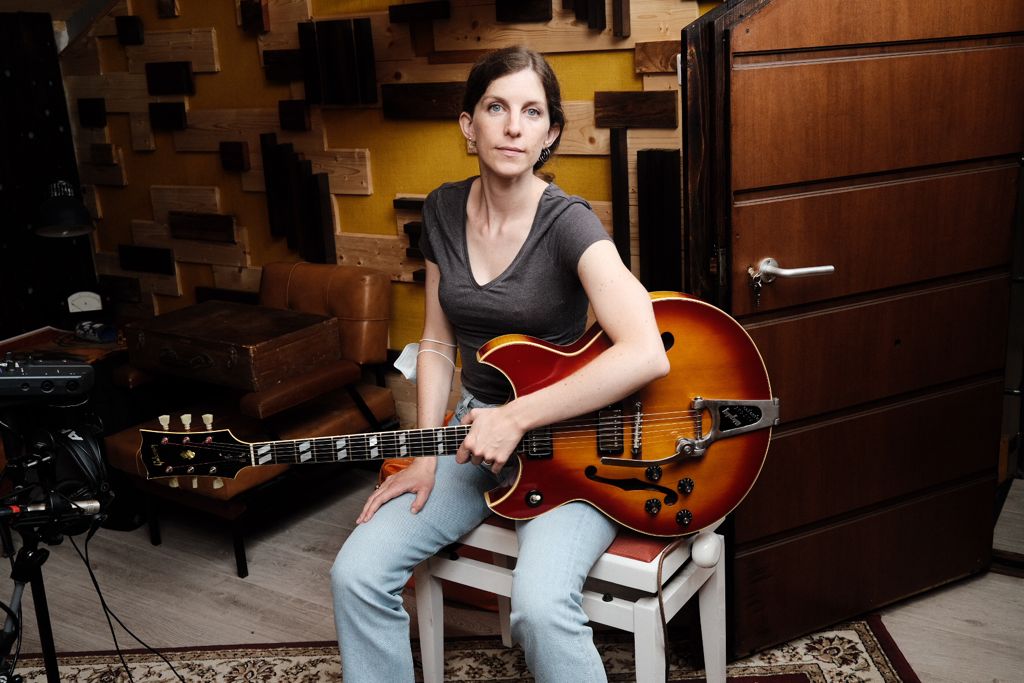
Siena Jazz University (Italy)
Flipping guitar. An essential analysis of historical and contemporary approaches to the classical guitar posture.
The guitar has benefited from a high level of versatility in its form, portability and affordability. This has contributed to its wide spread around the world in the last centuries, and to the spontaneous rise of innovative technical approaches. Nevertheless, the classical guitar seems to be deeply grounded to the posture and technique of its tradition.
Through my research, I have analysed the concepts of symmetry and asymmetry in the relationship between the guitarist’s body and the instrument. The guitar’s affordances constituted the basis for a study on how guitarists and composers have intended different approaches to posture and technique, from historical 19th-century guitar methods to contemporary approaches.
Through this study, which connects the topics of symmetry and posture to handedness in classical guitar performances, a reflection on the act of flipping arises: does it have to refer to the instrument, the body of the performer or the general way of thinking the guitar?
Acknowledgements
Organised by: The Department of Art and Musicology, UAB
Organising committee: Greg Gottlieb, Gabrielle Kaufman
This symposium has been made possible thanks to funding from the research group:
PID2021-124376NB-C32, Música y Ciudad: lugares, instituciones y encuentros desde la Revolución Industrial

Generous in-kind support has also been provided by the Dean’s Office of the Faculty of Arts and Humanities at the Universitat Autònoma de Barcelona.

 Hands Across the City